News
Recognizing Trauma Symptoms in Youth: A Guide for Adams County Parents and Educators
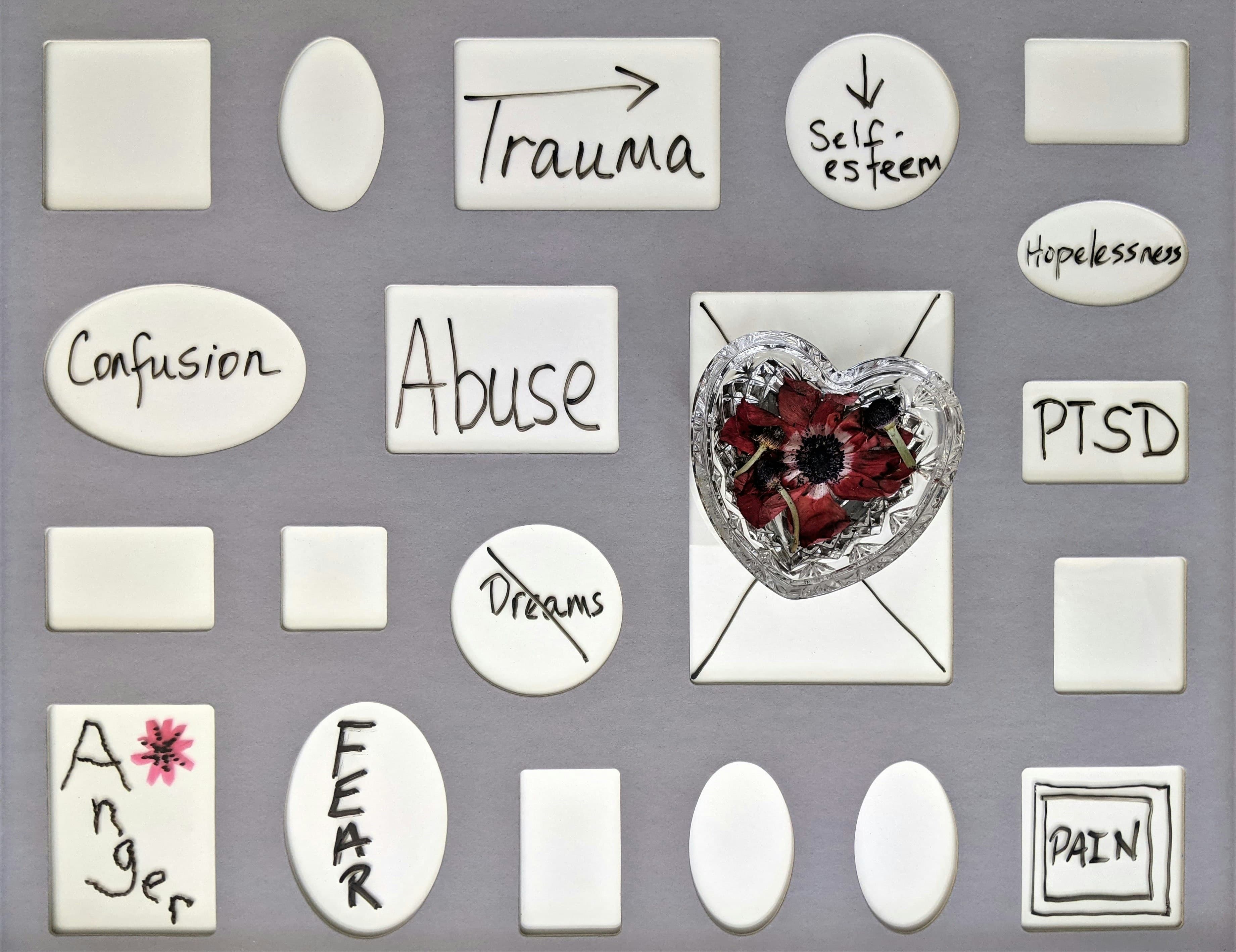
Trauma in youth often looks like defiance, withdrawal, or sudden behavior changes. Hoffman Homes helps Adams County parents and educators recognize the signs and understand when and how to seek the right level of support.
Your child comes home from school and slams their door — again. Your teenager's grades have dropped, or maybe they're suddenly clinging to you in ways they haven't since they were little. In Adams County's close-knit communities, where families know their neighbors and teachers recognize every student in the hallway, it's easy to chalk up these changes to "just a phase" or "typical teen behavior." But sometimes, what looks like defiance, withdrawal, or even laziness is actually a young person's way of coping with trauma.
For over 115 years, Hoffman Homes has walked alongside Adams County families during their most challenging moments. As the largest licensed psychiatric residential treatment facility in the region, we've seen firsthand how trauma can show up differently in every child — and how early recognition can change the trajectory of a young person's life. This guide is designed to help parents, guardians, and educators in Gettysburg, Littlestown, and surrounding areas understand what trauma looks like in youth ages 7–21, and when it's time to reach out for support.
Understanding Trauma in Rural and Semi-Rural Communities
Trauma isn't always what we see in movies — it's not only about dramatic, single events. For many young people in Adams County, trauma can stem from ongoing situations: family conflict, loss of a loved one, bullying, exposure to substance abuse, economic hardship, or even the stress of isolation that can be more pronounced in rural settings. In communities where "keeping things private" is valued and mental health resources are less visible, symptoms often go unrecognized or are normalized as "just how that kid is."
The truth is, trauma changes the way a young brain develops and processes the world. It's not about weakness or bad parenting — it's about biology and experience intersecting in ways that need compassionate, informed care.
Behavioral and Emotional Indicators by Age Group
Elementary-Age Children (Ages 7–12)
Younger children often can't put their feelings into words, so trauma shows up in their behavior and bodies:
- Regression: Bedwetting, thumb-sucking, or baby talk after they've outgrown these behaviors
- Clinginess or separation anxiety: Extreme distress when separated from caregivers, even for routine activities like school drop-off
- Frequent stomachaches or headaches: Physical complaints with no clear medical cause
- Acting out the trauma: Repeatedly drawing violent or disturbing images, or re-enacting troubling scenarios in play
- Hypervigilance: Constantly scanning the room, startling easily, or seeming "on edge" in situations that should feel safe
Middle School Youth (Ages 12–15)
This age group often experiences trauma symptoms that mimic "typical" adolescent struggles, making them easy to miss:
- Social withdrawal: Pulling away from friends, activities, or family gatherings they once enjoyed
- Irritability and anger outbursts: Explosive reactions to minor frustrations, or a constant "short fuse"
- Declining academic performance: Sudden drop in grades, incomplete homework, or difficulty concentrating
- Risk-taking behavior: Experimenting with substances, self-harm, or reckless choices that seem out of character
- Sleep disturbances: Nightmares, insomnia, or sleeping far more than usual
Middle schoolers are old enough to feel shame about their struggles but often lack the emotional vocabulary to ask for help directly. They need adults who can see past the behavior to the pain underneath.
High School and Young Adults (Ages 15–21)
Older teens and young adults may develop more complex coping mechanisms that mask their trauma:
- Emotional numbness: Appearing detached, indifferent, or unable to feel joy even in positive situations
- Persistent negative self-talk: Expressing beliefs like "I'm worthless," "Nothing will ever get better," or "I don't deserve help"
- Difficulty trusting others: Pushing people away, testing relationships, or assuming others will eventually hurt them
- Substance use as self-medication: Using alcohol or drugs to manage overwhelming feelings
- Suicidal thoughts or self-harm: Any mention of suicide, self-injury, or "wanting to disappear" requires immediate professional support
Your Child Isn't Broken — They're Responding to What They've Been Through
One of the most important things we tell families at Hoffman Homes is this: these behaviors aren't character flaws. They're survival responses. A young person who has experienced trauma has learned, consciously or not, that the world isn't always safe. Their brain and body are doing exactly what they're designed to do — protect them from further harm.
The hopeful news? With the right support, young people are incredibly resilient. Trauma-informed care recognizes these symptoms as communication, not defiance. It creates safety, rebuilds trust, and teaches new ways of coping that don't rely on fight, flight, or freeze.
When to Seek Professional Support
If you're seeing several of these signs persist for more than a few weeks, or if the symptoms are interfering with your child's daily life — school, friendships, family relationships, or their sense of safety — it's time to reach out. You don't need to have all the answers or even be certain about what's happening. Starting a conversation with a professional can help you understand what your child needs and what options are available.
For families in Adams County, outpatient therapy at Hoffman Homes is available for individuals who can self-refer or whose families are seeking support. Our licensed therapists provide individual, family, and group counseling for children, adolescents, and adults navigating anxiety, depression, grief, trauma, and life transitions. This is often the first step for families looking for compassionate care close to home.
Understanding Other Levels of Care
Sometimes, youth need more intensive support than outpatient therapy can provide. It's helpful for parents and educators to understand the different types of programs available — and how referrals work — so you can advocate effectively and know what questions to ask.
Psychiatric Residential Treatment (PRTF)
Our residential treatment program provides 24/7 intensive care for youth ages 6-17 with complex trauma and psychiatric needs. Referrals to this program come through psychiatric recommendation. Parents often reach out to us wanting to place their child, and while we welcome those conversations, admission to the PRTF requires coordination with referring agencies and clinical professionals who determine medical necessity.
Our residential and clinical teams work together to provide comprehensive assessment, treatment planning, and around-the-clock support in a safe, healing environment. Our medical team — including psychiatrists, nurses, and somatic physicians — provides psychiatric oversight, medication management (if needed), and comprehensive health and wellness care for every individual in our residential program.
Hoffman Academy
For students living in the community who may need extra support beyond what their current education system is able to provide, Hoffman Academy offers regular education and special education services to students in grades K-12. Placement in our private therapeutic school requires approval from the student's home school district, as it's designed for youth whose educational and emotional needs are best met in a smaller, trauma-informed setting.
Therapeutic Shelter and Transitional Living
Our Therapeutic Shelter Program and Transitional Living Program serve youth in the custody of county Children & Youth agencies who need safe, trauma-informed housing. These are not programs families can directly access on their own — referrals come from the county when a young person is in their care and has nowhere else to go. These programs provide critical safety nets for youth in crisis, with professional staff available around the clock.
What Happens Next: Starting the Journey
Reaching out for help can feel overwhelming, especially in a community where everyone knows everyone. Families often worry about stigma or what others will think. But seeking support is one of the strongest things a parent can do.
When you contact Hoffman Homes, you'll speak with compassionate professionals who understand what you're going through. We start with a conversation — no pressure, no judgment. Together, we'll assess what's happening, explore which of our programs might be the right fit, and create a path forward that honors your family's unique needs and strengths.
If you're in crisis or your child is in immediate danger, help is available right now. Call 988 for the Suicide and Crisis Lifeline.
You're Not Alone — And Neither Is Your Child
Hoffman Homes has served Adams County families since 1910, when George and Agnes Hoffman gifted their 192-acre Littlestown farm to become a place of hope and healing for children in need. That mission continues today, rooted in the same community commitment and belief that every young person deserves the chance to heal, grow, and build a future filled with possibility.
If something doesn't feel right — if you're worried, confused, or simply want to talk through what you're seeing — reach out to us. Early recognition and compassionate care can make all the difference. Together, we can help your child find their way forward.
Join Us in Making a Difference
Take action today by making a referral, donating, or reaching out for more information.